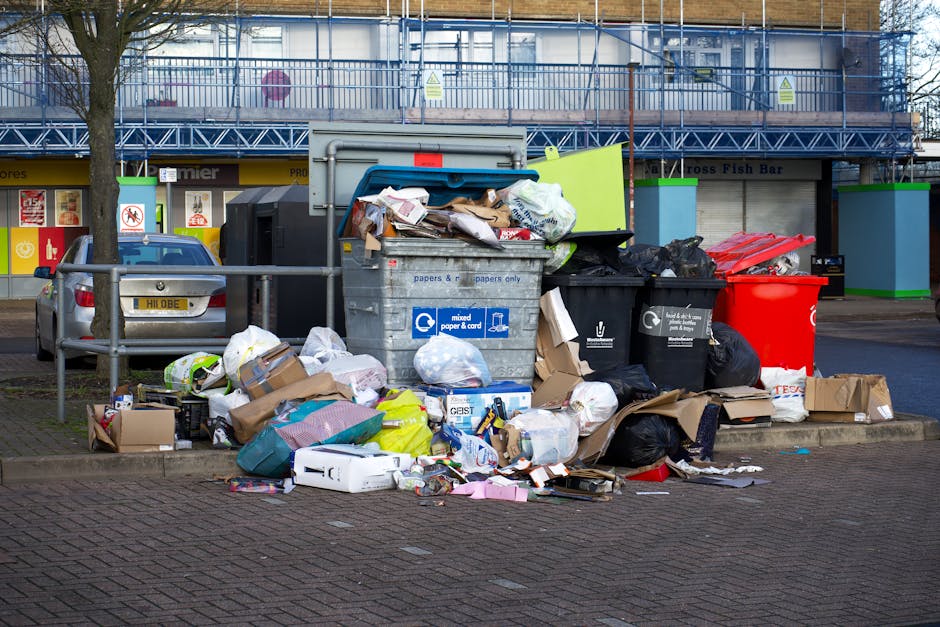
Hillingdon Hospital bulky rubbish removal advice UB8: a practical guide for safe, simple clearance
If you are looking for Hillingdon Hospital bulky rubbish removal advice UB8, you are probably dealing with a very ordinary but slightly annoying problem: a bed frame that will not fit in the car, an old wardrobe that is somehow heavier than it looks, or a pile of household items that needs moving without creating stress. Truth be told, bulky rubbish sounds simple until you are standing in front of it.
This guide explains how bulky item removal works around Hillingdon Hospital and the wider UB8 area, what to check before you book, and how to avoid the usual mistakes. You will also find practical tips on safety, recycling, pricing, and when a professional service makes more sense than trying to wrestle everything out yourself. For background on the company behind this kind of local service, you can also read the about us page and the recycling and sustainability information.
Let's keep it useful, local, and realistic. No fluff.
Table of Contents
- Why Hillingdon Hospital bulky rubbish removal advice UB8 Matters
- How Hillingdon Hospital bulky rubbish removal advice UB8 Works
- Key Benefits and Practical Advantages
- Who This Is For and When It Makes Sense
- Step-by-Step Guidance
- Expert Tips for Better Results
- Common Mistakes to Avoid
- Tools, Resources and Recommendations
- Law, Compliance, Standards, or Best Practice
- Options, Methods, or Comparison Table
- Case Study or Real-World Example
- Practical Checklist
- Conclusion
- Frequently Asked Questions
Why Hillingdon Hospital bulky rubbish removal advice UB8 Matters
Bulky rubbish removal matters because large items create different problems from ordinary bin waste. A broken sofa, mattress, filing cabinet, or smashed chest of drawers is not just a question of lifting something heavy. It affects access, safety, time, cleanliness, and often how quickly you can get a room, flat, office, or shared space back to normal.
In the Hillingdon Hospital and UB8 area, that can be especially relevant for households, carers, landlords, and anyone managing a busy property or a change of circumstances. Someone may be clearing after a move, a refurbishment, a bereavement, a discharge from hospital, or the end of a tenancy. These situations are rarely tidy. They tend to arrive all at once, and usually on a day when you already have too much on your plate.
Good advice helps you avoid delays, avoid unsafe lifting, and avoid paying for a service that is not actually suited to the job. It also helps protect shared spaces. A bulky item left in the wrong place can block a hallway, create a trip hazard, or make it harder for neighbours, staff, visitors, or contractors to pass safely. That sounds obvious, but in the real world people do it anyway. Often with a sigh and a shrug.
There is also a simple environmental reason. Bulky waste is often made of mixed materials: wood, metal, textiles, foam, plastics, and sometimes electrical components. Sorting and reusing what can be reused makes a real difference. If you want to understand how disposal choices are handled, the service's recycling and sustainability approach is worth a look.
How Hillingdon Hospital bulky rubbish removal advice UB8 Works
At a practical level, bulky rubbish removal is usually a two-part job: first, identifying what needs to go; second, making sure it is collected, handled, and processed properly. Simple in theory. Slightly more fiddly in practice.
Most services work best when you provide a clear list or photos of the items. That allows an informed quote, a realistic vehicle size, and the right number of staff. If access is awkward, or the items are in an upper floor flat, that needs saying up front. The difference between a straightforward clearance and an awkward one is often one narrow stairwell or a front path with a tight turn.
For hospital-area rubbish removal, timing matters too. Streets near busy routes can be difficult at certain times of day, and parking is not always generous. If items are being removed from a property close to the hospital, it helps to plan around traffic, access, and any time-sensitive needs. In our experience, people underestimate the time needed by about half. Then everyone ends up rushing. Not ideal.
A professional bulky waste service should also think about safety before lifting begins. That means checking for sharp edges, glass, damp items, mould, hidden screws, and any sign that the item is too unstable to move without dismantling. A cautious approach is better than a heroic one. Heroic lifting often ends with a bad back and a wobbling bookcase.
Where appropriate, a good provider should be open about what happens after collection. Some items may be reused, some recycled, and some disposed of responsibly if they cannot be recovered. If you are comparing providers, it is sensible to review insurance and safety information as well as health and safety policy details so you know the job will be carried out properly.
Key Benefits and Practical Advantages
When bulky rubbish removal is handled well, the benefits are immediate and obvious.
- Less physical strain: You avoid lifting awkward items yourself.
- Faster clearance: What might take you a whole weekend can often be managed in far less time.
- Safer handling: Large objects, broken furniture, and sharp edges can be managed more carefully.
- Cleaner finish: Rooms, hallways, and entrances are left usable sooner.
- Better recycling outcomes: Items can be sorted rather than simply dumped.
- Less disruption: Particularly important if you are in a shared building or dealing with a sensitive situation.
There is also a quieter benefit that people only notice afterwards: peace of mind. Once the bulky waste is gone, the space feels lighter. You hear the room differently. Less clutter, less tension. It sounds a bit sentimental, perhaps, but anyone who has cleared a packed room knows the feeling.
If you are trying to budget, the pricing and quotes page is useful for understanding how quote-based work is approached and what to ask before you commit. Clear pricing is especially important with bulky waste because volume, labour, access, and item type can all affect the final cost.
Who This Is For and When It Makes Sense
Bulky rubbish removal around Hillingdon Hospital and UB8 can help a wide range of people. The common thread is simple: you have items that are too large, too awkward, or too many to deal with conveniently on your own.
Typical situations include:
- House moves and end-of-tenancy clearances
- Replacing old furniture, mattresses, or white goods
- Clearing a bedroom, loft, garage, or storage space
- Preparing a property for sale or letting
- Helping with a family member's home after a change in health
- Managing clutter in shared accommodation or rented property
- Removing bulky items after a refurbishment or redecorating project
It also makes sense if you are physically unable to lift safely, do not have a suitable vehicle, or simply do not want the hassle. Let's face it, a wardrobe that has to be split in half before it can move is not a relaxing weekend project.
There is no shame in getting help for this kind of job. It is exactly the sort of task that looks manageable until you start. Then the reality arrives: the staircase is narrower than remembered, one bolt is missing, and the mattress has suddenly developed the weight of a small planet.
Step-by-Step Guidance
If you want a straightforward, low-stress result, work through the job in a sensible order.
- Identify every item. Walk through the space and list what needs removing. Be specific: sofa, armchair, mattress, wardrobe, broken TV, old desk, boxes, and so on.
- Separate what stays and what goes. This reduces mistakes on the day and avoids accidental disposal of personal items.
- Check access. Look at stairs, lifts, door widths, parking, shared hallways, and any low beams or tight turns.
- Flag hazards. Mention glass, damp, mould, sharp metal, heavy appliances, or items with electrical parts.
- Ask for a clear quote. A proper quote should reflect the volume, labour, access, and any special handling.
- Confirm collection details. Agree a time window, what the crew will remove, and what should be left behind.
- Prepare the items. If safe to do so, disconnect appliances, empty drawers, remove loose contents, and clear a path.
- Be present if possible. You can answer questions quickly and avoid confusion. A five-minute check often saves twenty minutes later.
- Review the result. Once the collection is done, make sure the agreed items have been taken and the area is left tidy.
If you are unsure whether something counts as bulky waste, ask before collection. A quick clarification is far easier than discovering at the kerbside that half the job was not included.
Expert Tips for Better Results
A few small habits make a bulky rubbish removal job smoother.
- Photograph everything in daylight. A clear image helps with quoting and avoids surprises.
- Measure the awkward items. Especially wardrobes, bed frames, and large appliances.
- Dismantle only if it is safe. Some items are easier to move in sections, but do not start stripping bolts if the item is already unstable.
- Keep screws and fittings together. A labelled bag saves confusion later if anything is being stored or reassembled.
- Plan around the building. Shared entrances, neighbours, and busy times all matter more than people expect.
- Ask what happens to reusable items. Responsible recycling and reuse should be part of the conversation.
A useful rule of thumb: if you have to say, "It should only take a minute," it probably will not. That is not pessimism; that is lived experience.
Also, if access is likely to be awkward, say so early. A small detail like a no-parking bay, a narrow lift, or a long walk from the vehicle can change the whole plan. Good operators would rather know before arrival than discover it while balancing a mattress in the rain.
Common Mistakes to Avoid
Most bulky item removal problems come from a short list of avoidable mistakes.
- Not checking access first. Tight staircases and limited parking can turn a simple job into a slow one.
- Assuming everything is included. Some items need special handling, especially electrical or hazardous ones.
- Leaving the sort-out until collection day. This causes delays and can lead to mistakes.
- Underestimating volume. A few large items can fill a vehicle faster than expected.
- Forgetting fragile or personal items inside furniture. Drawers have a habit of hiding things you really wanted to keep.
- Choosing solely on price. Cheapest is not always best if the service is uninsured, unclear, or careless.
There is also the classic mistake of moving everything to the front garden and thinking the job is done. It is not. If the collection has not been arranged properly, you may simply have made a bigger, more visible pile. Not a great look.
Tools, Resources and Recommendations
You do not need a van full of kit to manage bulky rubbish well, but a few basic tools help.
- Gloves: For grip and protection from rough edges.
- Strong sacks or boxes: Useful for loose fixings, cushions, bedding, and small mixed waste.
- Tape measure: Handy when checking whether an item will fit through a door or lift.
- Screwdriver or basic tool kit: For dismantling items safely, if appropriate.
- Marker pen and labels: Helpful when separating keep, donate, recycle, and remove piles.
- Mobile phone camera: Good for documenting the job and sending images for a quote.
For peace of mind around the service itself, the pages on payment and security and terms and conditions are worth reviewing before you book. That way you know how the service is structured and what to expect around payment and booking terms.
If accessibility is a factor for you or someone you support, the accessibility statement can help set expectations about how the website and service information are presented. Small detail, but helpful when you are already juggling a lot.
Law, Compliance, Standards, or Best Practice
For bulky rubbish removal in the UK, the safest approach is to treat waste handling as something that should be managed carefully and lawfully. You do not need to become a legal expert, but you should expect any provider to take proper responsibility for safe handling, transport, and disposal.
In practice, that means looking for a few sensible standards:
- Items should be collected without creating avoidable hazards.
- Waste should be handled by people who understand safe lifting and loading.
- Collections should be carried out with attention to property damage and personal safety.
- Reusable and recyclable materials should be separated where possible.
- Insurance should be in place for public-facing work and accidental incidents.
For customers, the practical takeaway is simple: ask questions. Ask how items are handled, how the team protects the property, and whether the service is covered by appropriate safety and insurance arrangements. The site's insurance and safety information and health and safety policy are useful references for that conversation.
It is also sensible to be honest about restricted items, sharp waste, damp items, or anything that may need special care. Being upfront is not being awkward. It is how you avoid problems later.
Options, Methods, or Comparison Table
There are several ways to handle bulky rubbish in UB8, and the right choice depends on volume, urgency, access, and how much effort you want to put in.
| Method | Best for | Pros | Watch out for |
|---|---|---|---|
| Do it yourself | Very small loads and easy access | Flexible timing, direct control | Heavy lifting, vehicle limits, disposal planning, time |
| Multiple trips in a car or van | Mixed household items spread over time | Can be spread out across several days | Time-consuming, messy, easy to misjudge volume |
| Professional bulky rubbish removal | Large, awkward, or time-sensitive clearances | Safer lifting, quicker completion, better for access issues | Needs clear communication and accurate quoting |
| Full house or room clearance | Major decluttering, bereavement, moving, or property work | Comprehensive, efficient, less stress | Requires planning and a precise scope |
For many people near Hillingdon Hospital, the professional route makes the most sense because it reduces physical strain and avoids repeated trips. If you are unsure, a clear quote is often enough to help you compare options properly.
Case Study or Real-World Example
Here is a realistic example. A small flat in UB8 needs clearing after new bedroom furniture is delivered. The old bed base is split, the mattress is heavy, and there is a wardrobe with one door hanging loose. The resident can manage the smaller items, but not the larger ones without help.
Before the collection, they take photos, measure the wardrobe, and note that the building has a narrow stairwell and limited parking. They also separate personal papers from the items to be removed. Nothing dramatic, just sensible preparation. The collection team arrives with the right vehicle and enough labour to avoid repeated carries up and down the stairs. The job is done in one visit.
What made it work? Not magic. Just clear information, realistic expectations, and decent planning. The kind of boring practical stuff that saves a headache later. Sometimes boring is exactly what you want.
The resident also checks the company's contact options before booking, which helps confirm timings and any access notes. That tiny step prevents the dreaded "Oh, I thought you knew" moment. We have all seen that one go wrong.
Practical Checklist
Use this quick checklist before your bulky rubbish removal appointment.
- List every bulky item that needs removing.
- Separate items to keep, donate, recycle, and dispose of.
- Take clear photos in good light.
- Measure awkward furniture, mattresses, or appliances.
- Check stairs, lifts, doorways, and parking access.
- Flag anything sharp, broken, damp, or heavy.
- Confirm what is included in the quote.
- Agree the collection time and any building rules.
- Clear a safe path to the items.
- Keep valuables, documents, and personal items separate.
- Review the provider's safety, insurance, and payment information.
Expert summary: The best bulky rubbish removal jobs are not the quickest to rush into; they are the ones planned well enough that the team can lift safely, quote accurately, and leave the space genuinely usable afterwards.
Conclusion
Hillingdon Hospital bulky rubbish removal advice UB8 comes down to a few simple principles: plan early, measure properly, be honest about access, and choose a service that treats safety and recycling seriously. Whether you are clearing a single large item or several awkward pieces at once, a little preparation goes a long way.
The best outcome is not just that the rubbish disappears. It is that the process feels calm, tidy, and under control. That matters more than people think, especially when you are already dealing with a move, a renovation, or a change in circumstances. A good clearance makes the space easier to live in straight away.
Get a free quote today and see how much you can save.
If you want to understand the wider service standards before booking, take a moment to review the company's pricing guidance, recycling approach, and company background. That way, you can make a choice with confidence, and that's worth a lot on a busy day.
In the end, a clear room can feel like a fresh start. Sometimes that is exactly what you need.
Frequently Asked Questions
What counts as bulky rubbish in UB8?
Bulky rubbish usually means large items that are hard to move in normal bins, such as sofas, beds, wardrobes, mattresses, tables, and some appliances. The exact scope depends on the service, so it is best to check before booking.
Can I remove bulky waste myself near Hillingdon Hospital?
Yes, if the items are small enough, the access is straightforward, and you have a suitable vehicle. But once items become heavy, awkward, or difficult to carry safely, professional help is usually the calmer option.
How do I get an accurate quote for bulky rubbish removal?
Send a clear item list and, if possible, photos. Mention access details such as stairs, lifts, parking, and any tricky doorways. The more accurate the information, the more reliable the quote will be.
Is bulky rubbish removal the same as house clearance?
Not always. Bulky rubbish removal often covers specific large items, while house clearance is broader and may involve clearing an entire room, property, or multiple areas. They overlap, but they are not identical.
What happens to the items after collection?
Responsible providers usually sort items for reuse, recycling, or disposal depending on condition and material. Mixed furniture often contains reusable and recyclable components, so not everything should go to waste.
Do I need to dismantle furniture before collection?
Only if it is safe and helpful to do so. Some pieces are easier to remove in sections, but do not dismantle unstable furniture just for the sake of it. If in doubt, ask the provider what they prefer.
How can I prepare for a bulky item collection?
Clear a path, separate personal belongings, take photos, and measure large items if access is tight. If the service includes loading from inside the property, make sure hallways and entrances are usable.
What if the bulky items are damaged or broken?
Broken items can often still be collected, but it helps to say so in advance. Glass, sharp metal, loose springs, or unstable frames may need more careful handling.
Is it worth using a professional service for just one item?
Often, yes, especially if the item is heavy or awkward. A single wardrobe or mattress can still be a hassle to move safely, and one item can be enough to justify professional removal if access is awkward.
What should I check before I book a removal service?
Check what is included, how payment works, whether safety and insurance are covered, and whether the company explains its collection process clearly. The pages on terms and conditions and payment and security are good places to start.
Can bulky rubbish removal help with a move or end-of-tenancy clean-up?
Absolutely. It is one of the most practical ways to clear leftover furniture, broken pieces, and items that are not worth transporting to a new property. It can save time and reduce move-day stress considerably.
How do I know whether a company is trustworthy?
Look for clear contact details, transparent pricing guidance, sensible safety information, and straightforward terms. A trustworthy provider should answer questions without fuss and explain the process in plain English.