
Complaints Procedure for House Clearance Uxbridge
This document sets out the formal complaints process for anyone using our house clearance Uxbridge or related clearance services. It explains how to raise a concern about rubbish removal, waste collection, or disposal work carried out as part of any Uxbridge house clearance contract. The intention is to be clear, fair and timely while respecting the rights of all parties involved. This procedure applies to complaints about job performance, adherence to agreed schedules, handling of items, and compliance with environmental and safety standards.Scope and Purpose
The complaints policy covers house clearance in Uxbridge, rubbish removal Uxbridge and associated services such as recycling, hazardous waste handling and estate clearances. It is designed to ensure that issues are acknowledged, investigated and resolved in a structured manner. We aim to provide a transparent route to resolution that protects customer interests and supports continuous improvement of our clearance operations.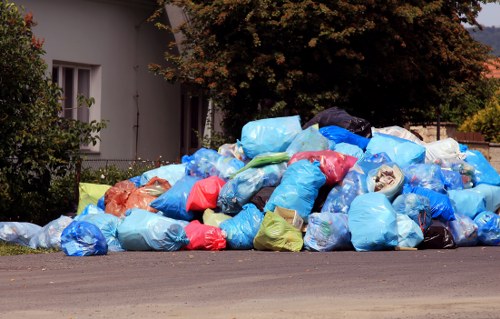
Who Can Complain
Complaints may be raised by clients, their authorised representatives or third parties directly affected by the clearance activity. Anonymous reports will be recorded but may limit the scope of the investigation where additional information is required. Complaints that relate to criminal activity or immediate safety risks will be handled in parallel with appropriate authorities rather than solely under this internal procedure.How to Raise a Complaint
To start a complaint you should describe the issue clearly including dates, locations and the nature of the concern. While this page does not provide contact details, we expect complaints to include sufficient information to allow the team to identify the job and personnel involved. When possible include photos or documents that support the claim. Please note that this policy is not a customer guide but a formal process for complaint handling.The complaint will be logged and acknowledged in writing. Acknowledgement typically states the complaint reference, the person responsible for handling it and an initial estimate of the timescale for investigation. If details are missing we may ask for clarification; timely responses to such requests help reach a resolution faster. Initial acknowledgement is an important part of the process and demonstrates commitment to a fair review.
 Investigation and Timetable — After acknowledgement the complaint is investigated by an impartial officer. The investigation will review job records, staff statements, waste transfer documentation and any photographic evidence. Standard timescales aim for an initial decision within 10 working days, with more complex matters taking up to 28 working days. Any deviation from these timeframes will be communicated with reasons and an updated completion date.
The investigation may result in one or more of the following outcomes: a finding that the complaint is upheld and remedial action is required, a determination that the complaint is not upheld, or a conclusion that insufficient evidence exists to reach a decision. Possible remedies include redoing specific clearance work, collecting and disposing of missed items, issuing a goodwill gesture where appropriate, or implementing staff retraining. All outcomes are documented and explained in the response letter.
Record Keeping and Confidentiality — A formal record of each complaint is kept for audit and improvement purposes. Records include the complaint description, investigation steps, evidence reviewed, outcome and any corrective actions. Personal data is handled in line with applicable data protection principles; complaint records are retained only as long as necessary for legal, regulatory and improvement needs and are stored securely.
Escalation and Independent Review
If a complainant is dissatisfied with the outcome they may request an internal review by a senior manager not previously involved in the case. Where appropriate, complaints may be referred to an independent mediator or an industry ombudsman for external review. The escalation process and criteria for independent review are described in the response letter and aim to provide a final and impartial assessment. Learning, Remedies and Policy Review — Resolved complaints are used to identify operational improvements and training needs. Repeated issues may trigger a review of procedures for clearance services Uxbridge and related waste management processes. The organisation is committed to acting on lessons learned so that waste clearance Uxbridge work consistently meets agreed standards.
For transparency, a summary of complaint themes and actions taken is included in periodic internal reports to senior management. This helps ensure that Uxbridge house clearance teams maintain standards and that any systemic failures are addressed promptly. The purpose of this reporting is not to publish personal information but to support continuous improvement across our clearance operations.
Final Notes — This complaints procedure is intended to deliver a fair, proportionate and timely response to concerns about house clearance and rubbish removal services. It balances the need to protect privacy, respect staff, and ensure proper remediation where a service failure has occurred. Commitment to resolving disputes professionally is central to maintaining trust in our clearance services across the service area.