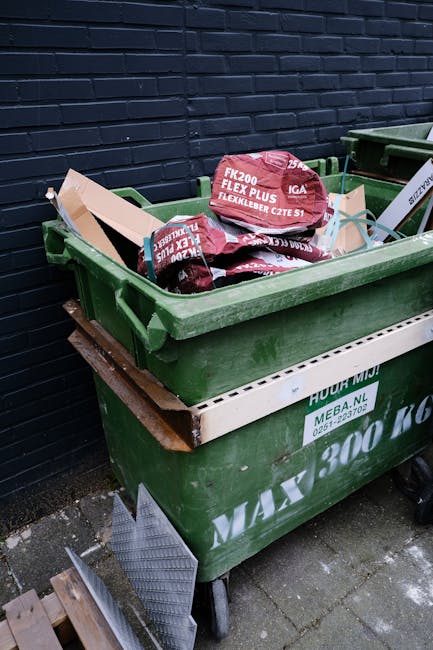
Permit and skip rules in Uxbridge for builders rubbish
If you're planning building work in Uxbridge, the last thing you want is a waste headache halfway through the job. Skip permits, placement rules, parking restrictions, and builder's rubbish disposal can turn a simple project into a slow-moving mess if you don't get the basics right. The good news? Once you understand how permit and skip rules in Uxbridge for builders rubbish usually work, the process becomes much easier to manage.
This guide explains what a permit is, when you might need one, how skip rules affect builders waste, and what your practical options are if you want to stay compliant without wasting time. We'll also look at safer alternatives, common mistakes, and the small details that often trip people up on busy streets, estates, and tighter residential roads. Truth be told, that's where most issues start.
Whether you're a homeowner doing a refurb, a tradesperson on a tight schedule, or a landlord dealing with a messy renovation, the aim here is to help you make a sensible call. And if you'd rather avoid the paperwork altogether, you'll also see when a managed service like builders waste clearance or broader waste removal can save a lot of faff.
Table of Contents
- Why permit and skip rules matter
- How the rules usually work
- Key benefits and practical advantages
- Who this is for and when it makes sense
- Step-by-step guidance
- Expert tips for better results
- Common mistakes to avoid
- Tools, resources and recommendations
- Law, compliance and best practice
- Options and comparison table
- Case study or real-world example
- Practical checklist
- Conclusion
- Frequently asked questions
Why Permit and skip rules in Uxbridge for builders rubbish Matters
Skip rules matter because builders rubbish is bulky, awkward, and often left in places where it can quickly become a problem. A skip on a public road can affect traffic, pedestrians, cyclists, emergency access, and nearby parking. In residential parts of Uxbridge, even a seemingly harmless skip can become an issue if it blocks visibility, sits too close to junctions, or is left out longer than expected.
The permit side exists to control that risk. In plain English, if a skip is going on public land, there is usually a process to follow. If it's on private land such as a driveway or inside a construction site, the rules may be simpler, but you still need to think about access, loading, and safety. That distinction is easy to miss when you're focused on the actual building job.
For builders rubbish, the stakes are higher than for normal household clutter. Bricks, timber offcuts, plasterboard, metal, packaging, broken tiles, and mixed demolition debris can add up fast. Leave it unmanaged and you end up with more trips, more labour, and sometimes more cost than you planned. A tidy waste plan is not glamorous. It just works.
There's also a trust issue. If you hire a skip or arrange clearance without checking the right rules, you could end up with delays, extra charges, or a collection that can't go ahead. Nobody wants a pile of rubble sat outside for an extra weekend while everyone else is wondering whose problem it is.
How Permit and skip rules in Uxbridge for builders rubbish Works
The basic idea is straightforward: the location of the skip determines the rule set. Put it on your own private property and the process is usually more flexible. Put it on a public road, pavement, verge, or other shared space and a permit is generally involved. The exact process may vary depending on the local authority and the skip provider's arrangements, so it's worth checking carefully before the lorry arrives.
Here's the practical version. If you have a driveway with enough space, a skip can sometimes sit there without needing a permit. But many Uxbridge properties don't have that luxury, especially when access is narrow or shared. In those cases, builders rubbish is often better handled with an alternative clearance method, or by booking a skip with the necessary street permissions in place.
A permit usually covers where the skip can be positioned, how long it can remain there, and any safety requirements such as reflective markings, lights, or cones. Some areas also have time limits or placement conditions. To be fair, that's not the sort of detail most people keep in their head while juggling trades, deliveries, and a dusty hallway.
There's another important point: the type of waste matters. Builders rubbish is often mixed. If you have inert waste, plasterboard, timber, metal, and general renovation debris all together, the loading and disposal route must be planned properly. Some loads are straightforward; others need more care because of segregation and recycling expectations.
If the waste is spread across a property rather than neatly stacked at the front, it may be more efficient to use a clearance service rather than a skip. Services such as builders waste clearance are often useful when rubbish is inside the house, in a garden, up a loft ladder, or mixed across several rooms. That can be a better fit than forcing everything into one metal box and hoping for the best.
Key Benefits and Practical Advantages
Getting permit and skip rules right is not only about compliance. It has real operational benefits too.
- Fewer delays: You avoid last-minute cancellations, failed collections, and waiting around for the wrong paperwork.
- Safer site conditions: Correct placement reduces trip hazards, blocked access, and awkward manoeuvring on the street.
- Better project flow: A good waste plan keeps trades moving instead of working around debris piles.
- Lower risk of extra charges: Missed permits or incorrect placement can lead to avoidable costs.
- Cleaner presentation: A tidy frontage matters, especially on residential streets where neighbours notice everything.
- Improved recycling outcomes: Properly sorted builders waste is easier to process responsibly.
There's a quieter benefit too: peace of mind. Once the waste side is handled properly, the rest of the job often feels more manageable. You stop second-guessing where everything will go. You can actually focus on the work.
For many customers, the real advantage is flexibility. A skip is useful when you have a steady stream of waste and room to stage it. But if your project is unpredictable, recycling and sustainability-minded clearance can be a calmer option, especially when materials are a bit all over the place. It keeps the job moving and reduces the risk of over-ordering space you don't really need.
Who This Is For and When It Makes Sense
This topic matters to anyone generating builders rubbish in or around Uxbridge, but it becomes especially relevant in a few common situations.
- Home renovators: Kitchen refits, bathroom rip-outs, loft conversions, garage conversions, and structural work can all produce more waste than expected.
- Builders and tradespeople: If you're managing a site, you need dependable waste planning that won't interrupt the schedule.
- Landlords and letting agents: Refurbishment and end-of-tenancy works often create mixed waste that needs quick removal.
- Property investors: Flips and light refurb projects can stall if debris piles up.
- Small businesses: Shopfitters, office refits, and commercial refurb teams may also need the same permit awareness.
It makes sense to think about permits and skip rules before the job starts, not after the materials are already on the floor. That's one of those boring-but-useful bits of planning that pays you back later. Usually in fewer headaches, fewer interruptions, and less apologising to neighbours.
If your project includes more than just rubble - say old cupboards, broken furniture, or general site clear-out items - it may be worth comparing your options with home clearance or house clearance where the waste mix is broader than a standard builders skip load.
Step-by-Step Guidance
Here's a simple way to approach it without overcomplicating things.
- Assess the waste volume. Look at what you're actually producing, not what you hope to produce. Renovation waste has a habit of growing. Fast.
- Check where the skip would go. Private drive, front garden, private yard, or public road? That one decision changes the rest of the plan.
- Review access and loading. Think about lorry access, width, kerb space, pedestrians, and whether the site is busy during the day.
- Decide between skip hire and clearance. If the waste is concentrated and space is available, a skip may suit. If waste is spread across the property, clearance could be simpler.
- Confirm permit needs early. If a skip will go on public land, check what is required well before the start date.
- Separate hazardous or restricted materials. Don't assume everything can go in one load. Some items need specific handling.
- Book the removal window carefully. Make sure it fits the work schedule, not the other way around.
- Keep the site tidy as you go. Little-and-often removal usually works better than waiting for a mountain of waste to appear.
If you're trying to coordinate all of this with trades on-site, the waste plan should be written down. Even a simple note in the job folder helps. One page. No drama.
Expert Tips for Better Results
After enough jobs, a few patterns become obvious.
First, allow more space than you think you need. Builders rubbish compresses badly. Sharp offcuts, plaster fragments, and broken boards fill space in awkward ways. A half-full skip can still be more "full" than it looks.
Second, avoid mixing waste types unless the disposal route supports it. Mixed waste can be perfectly normal, but the more varied the load, the more important it is to make sure it's accepted properly. If you can separate metals, timber, plasterboard, and general rubble, that often makes life easier downstream.
Third, think about the neighbours. In Uxbridge, as elsewhere, a skip sitting outside can attract complaints if it blocks sightlines or stays for too long. A neat placement and a clear collection plan prevent that awkward moment when someone pops over to ask whose skip it is. Nobody enjoys that chat.
Fourth, keep a backup plan. If access changes, parking becomes tighter, or the job runs late, having a clearance alternative can save the day. This is especially helpful on terraced streets or shared access roads where things can get crowded by mid-morning.
Fifth, choose a provider who understands builders waste. General rubbish and construction debris are not the same thing. Materials, loading method, and disposal expectations all differ. It's a small distinction until it isn't.
Common Mistakes to Avoid
Most problems with skip rules are not dramatic. They're small planning mistakes that snowball.
- Assuming a skip can go anywhere. Public land usually means permit territory.
- Leaving permit checks too late. A last-minute job can get stuck waiting.
- Underestimating waste volume. Builders rubbish expands quickly once dismantling begins.
- Ignoring access restrictions. A skip lorry still needs room to manoeuvre safely.
- Mixing in unsuitable materials. Some items need separate handling or special disposal routes.
- Forgetting about collection timing. An overstay can create inconvenience or extra cost.
- Using the wrong service for the job. A domestic clear-out and a construction waste job are not always interchangeable.
One small mistake can be enough to slow the whole project down. It's frustrating, especially when everything else is going well. But this part is preventable if you slow down just enough at the start.
Tools, Resources and Recommendations
You do not need fancy software to get this right. A few basic tools and good habits are usually enough.
- Project checklist: Track waste volume, skip size, access notes, and removal dates.
- Site measurements: Measure drive width, gate access, and turning space before booking anything.
- Waste segregation plan: Note which materials can be separated for easier handling.
- Photo record: A couple of photos before work starts can help you estimate volumes more accurately.
- Supplier quotes: Compare the removal method, not just the headline price.
If your project involves more than builders rubbish alone, you may also want to look at garage clearance for bulky stored items, or loft clearance if old materials have been stacked out of sight and forgotten for years. It happens more often than people admit.
For businesses and mixed-use properties, business waste removal can be a practical route when the rubbish stream includes both construction debris and commercial waste. That is often cleaner than forcing everything into one category.
Law, Compliance, Standards, or Best Practice
When it comes to builders rubbish, compliance is mainly about being careful with placement, disposal, and duty of care. You should always treat waste as something that must be managed responsibly, not just dumped and forgotten. In the UK, waste producers and handlers are expected to make sure waste goes to an appropriate facility and is handled by a legitimate operator. Exact obligations can vary depending on the setting and the type of waste, so it's wise to keep things conservative and well documented.
For skips on public land, the permit process is a normal part of the arrangement. The permit is there to reduce risk, not to slow you down for sport. In practice, best behaviour is simple: book early, keep the skip within the agreed space, avoid overfilling, and make sure the load is safe for transport.
Good practice also means thinking beyond the permit itself. If the waste is heavy, sharp, dusty, or awkward, protect the site and the people around it. Keep access routes clear. Don't let materials spill over the sides. Use proper loading methods. These things sound basic, but they make a real difference on site, especially when work starts early and everyone is trying to get on with their day.
If you're choosing a clearance company, it is sensible to review their policies on safety and payment too. Relevant pages such as health and safety policy, insurance and safety, payment and security, and terms and conditions can help you understand how they operate before you commit.
Options, Methods, or Comparison Table
Here's a practical comparison of the usual routes for builders rubbish in Uxbridge.
| Option | Best for | Strengths | Watch-outs |
|---|---|---|---|
| Skip on private land | Sites with a driveway or secure yard | Straightforward access, less permit complexity | Space can be tight; loading can be awkward |
| Skip on public road | Properties without private space | Handy where access is limited | Permit checks, placement restrictions, time limits |
| Builders waste clearance | Mixed or dispersed renovation waste | Less site disruption, no skip footprint | May need scheduling around the job |
| General waste removal | Smaller or mixed waste streams | Simple for one-off clearances | Not always ideal for heavy construction debris |
In reality, the best choice depends on your site. A skip can be brilliant on a tidy plot with good access. On a cramped road, though, a clearance service may be easier, cleaner, and less stressful. That's usually the moment people realise the cheapest-looking option is not always the simplest one.
Case Study or Real-World Example
A typical Uxbridge scenario goes like this: a homeowner starts a kitchen renovation in a semi-detached property. The first day is fine. By day two, there's broken carcass timber, old worktops, tiles, packaging, and a surprising amount of dust in the hallway. The plan was to order a skip, but the drive is too short and the road is already busy with parked cars. A permit would have been needed, and collection timing starts becoming awkward.
Instead of pushing ahead blindly, the homeowner switches to a clearance-based approach. Waste is stacked in manageable spots, the bulky debris is removed in one go, and the frontage stays much tidier. The builder can keep working. The neighbours stay calmer. Everyone gets on with life.
That sort of adjustment is not unusual. The interesting bit is not the solution itself, but the moment you realise the original plan was only one of several workable options. A skip is useful. It just isn't the only answer.
Practical Checklist
Use this quick checklist before you book anything.
- Have you identified the type and volume of builders rubbish?
- Do you know whether the skip would sit on private or public land?
- Have you checked access width, turning space, and loading room?
- Do you know if a permit is likely to be needed?
- Have you confirmed what materials can and cannot go in the load?
- Have you chosen the right removal method for the site?
- Have you allowed enough time for delivery and collection?
- Have you considered neighbour impact and street safety?
- Have you asked about recycling and disposal handling?
- Have you read the provider's terms, insurance, and safety information?
If you can tick most of those boxes, you're already in a much better place than the average rushed booking. And yes, the average rushed booking is exactly as messy as it sounds.
Get a free quote today and see how much you can save.
Conclusion
Permit and skip rules in Uxbridge for builders rubbish are not difficult once you break them down into location, access, waste type, and timing. That's the core of it. Get those four things right and the rest becomes much easier to manage. Get them wrong and you can end up with delays, extra costs, and a very unnecessary amount of stress.
For some projects, a skip is still the best fit. For others, especially where access is limited or waste is spread through the property, builders clearance is the calmer route. There's no prize for making it harder than it needs to be.
Plan early, keep the waste flow tidy, and choose the method that suits the actual site rather than the ideal one in your head. That's usually how the smooth jobs stay smooth. And in this line of work, smooth is good.
Frequently Asked Questions
Do I need a permit for a skip in Uxbridge?
If the skip is going on public land such as a road or pavement, a permit is usually required. If it is entirely on private property, the need for a permit may be different. Always check before booking.
Can builders rubbish go in a standard skip?
Often yes, but it depends on the waste mix and the skip provider's rules. Heavy rubble, timber, plasterboard, and mixed renovation waste may all be accepted differently, so it's best to confirm first.
What happens if a skip is placed without the right permission?
You may face delays, collection issues, or extra charges, and the skip may need to be moved. In some cases, the placement itself can cause safety or parking problems.
Is a skip always better than clearance for building waste?
Not always. A skip works well when you have space and a steady waste stream. Clearance can be better if the rubbish is spread through the property or access is limited.
How do I know which option is cheaper?
Compare the full job, not just the headline price. Include permit needs, waiting time, access issues, loading effort, and the type of waste being removed. Cheap upfront can become expensive later.
Can I mix household rubbish with builders waste?
Sometimes, but it depends on what the provider accepts and how the waste is classified. A mixed load can be fine in some cases, but it is smarter to separate materials where possible.
What if my driveway is too small for a skip?
That's common in Uxbridge. If the skip won't fit safely on private land, you may need a permit for roadside placement or you may be better off using a clearance service instead.
How far in advance should I sort the permit?
As early as possible. Leave enough time for booking, permission checks, and any site planning. Last-minute arrangements are where avoidable problems usually start.
Are there extra safety rules I should think about?
Yes. Keep access clear, don't overfill the load, and make sure the waste is stable and safe for transport. Also consider lighting, visibility, and pedestrian access if the skip is near the road.
What should I do with bulky items from a refurbishment?
If the job includes old furniture, appliances, or other bulky items alongside builders rubbish, you may need a broader clearance solution. Options like furniture clearance or furniture disposal can be useful alongside the main waste plan.
Can you help with other types of clearance too?
Yes, many projects run into mixed waste streams. Depending on what you are clearing, services such as furniture clearance, furniture disposal, flat clearance, or office clearance may be more appropriate than a single builders skip.
Who can I contact if I want to discuss the best option for my waste?
If you want to talk through the practical side of a job, start with the team's main contact page and ask for guidance based on access, waste volume, and timing. For more about the company itself, you can also review about us and its wider service approach.